News · Music videos
The Interval
Three music videos for The Interval. The visual language set on the cover became space, light and movement on film.
Blending Art, Design & Business
IKONIST runs art direction, sound, publishing, contract advisory and AI workflow design as five distinct specialist units, each serving its own industries.
We develop the visual language of projects in music, publishing, culture and the arts.
A central idea guides the album artwork, motion graphics and exhibition graphics we create for each medium.
We develop the central idea and define the project’s visual language. We bring the references together in a mood board and create a concise guide to colour, composition and lighting for the production team.
We design covers for music releases and books. We adapt the key visual from each cover for use across print and digital campaigns.
We build 3D scenes and composite imagery from multiple sources. The same approach to lighting, texture and colour guides our AI-assisted work.
We create music videos, visualisers and animated loops around the rhythm and atmosphere of each track. We edit shorter versions to suit the running time and aspect ratio of each platform.
We develop the exhibition narrative alongside the placement of the works. We design wall texts and large-format graphics around the visitor’s route and the distance from which each element will be seen.
We design logos, typography and colour palettes for cultural projects and record labels. An illustrated set of guidelines shows how to apply the identity across releases and publications.
News · Music videos
Three music videos for The Interval. The visual language set on the cover became space, light and movement on film.
Featured work · 2026
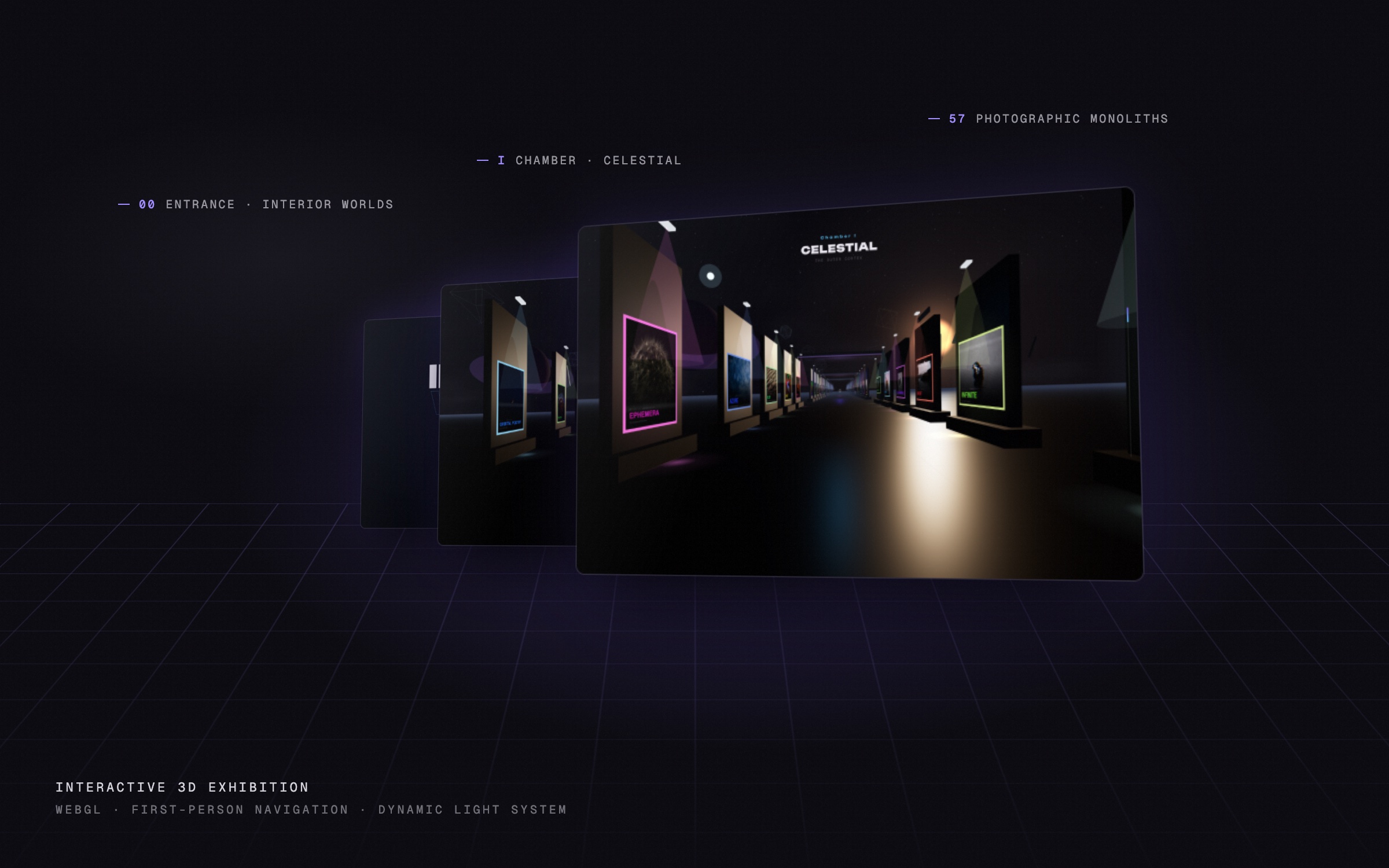
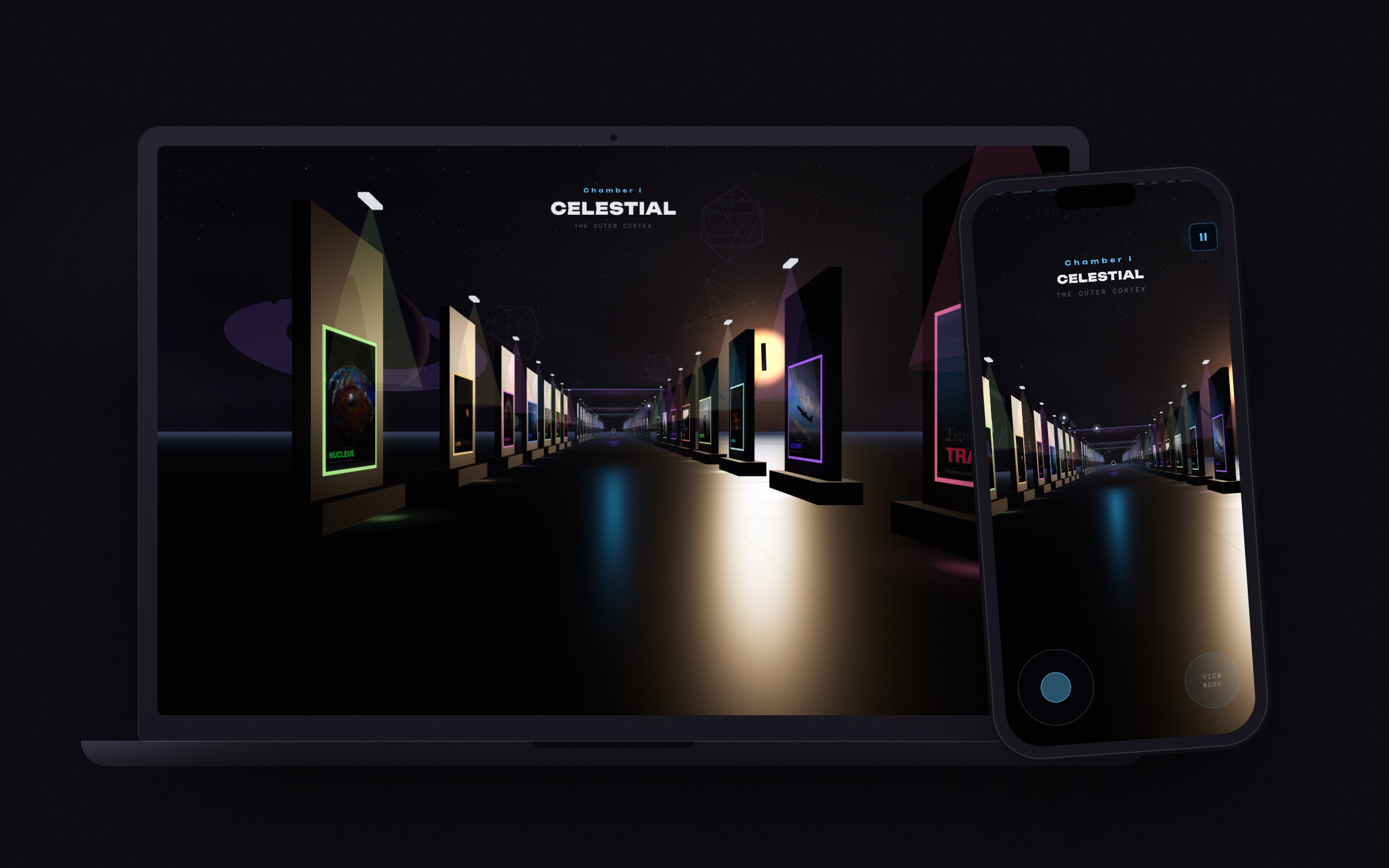
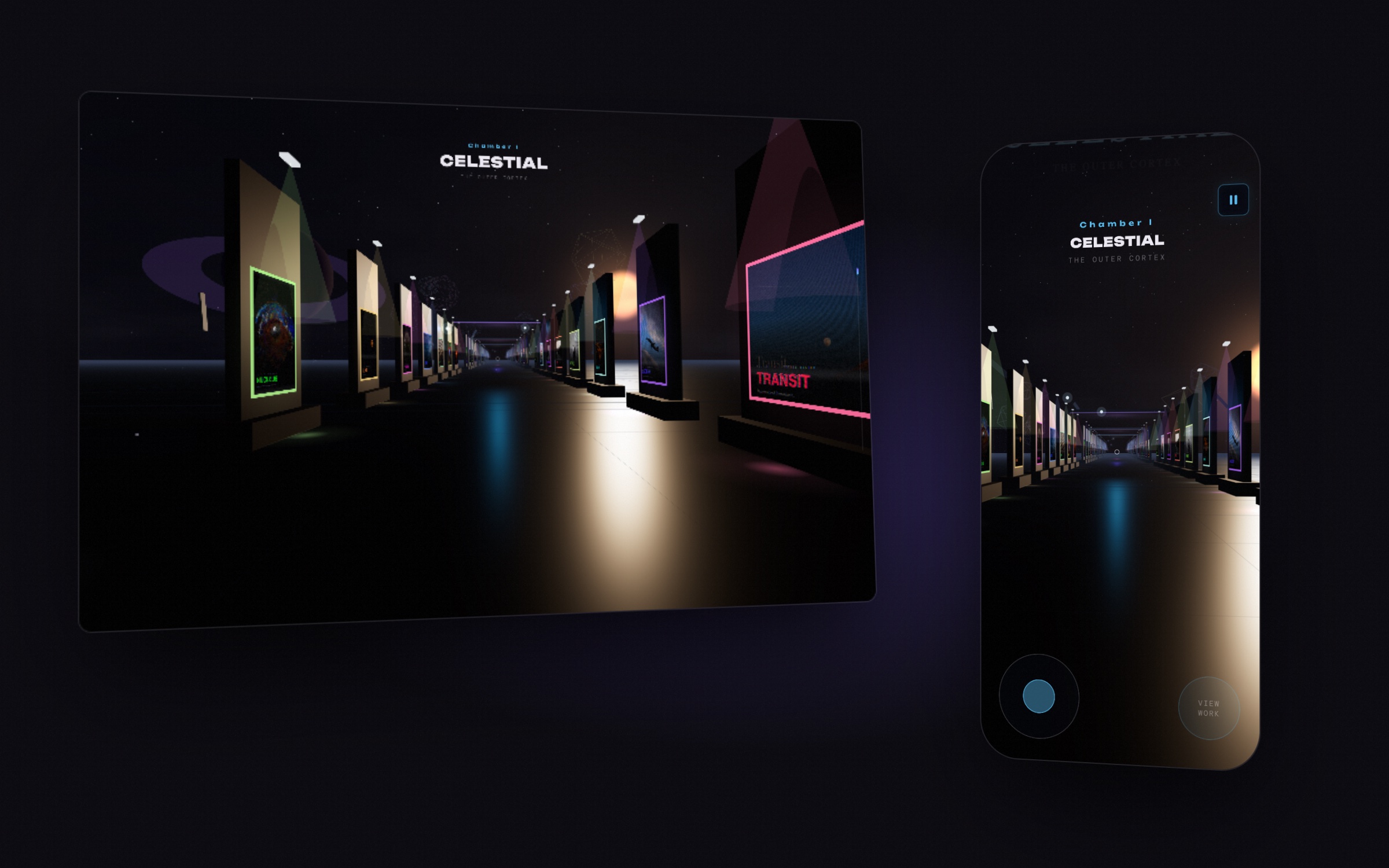
Interactive 3D exhibition
A browser-based exhibition in which photographic works stand as monoliths within a dynamic atmospheric system. Visitors walk the space in first person, on desktop and on mobile, under real-time light.
Product design07
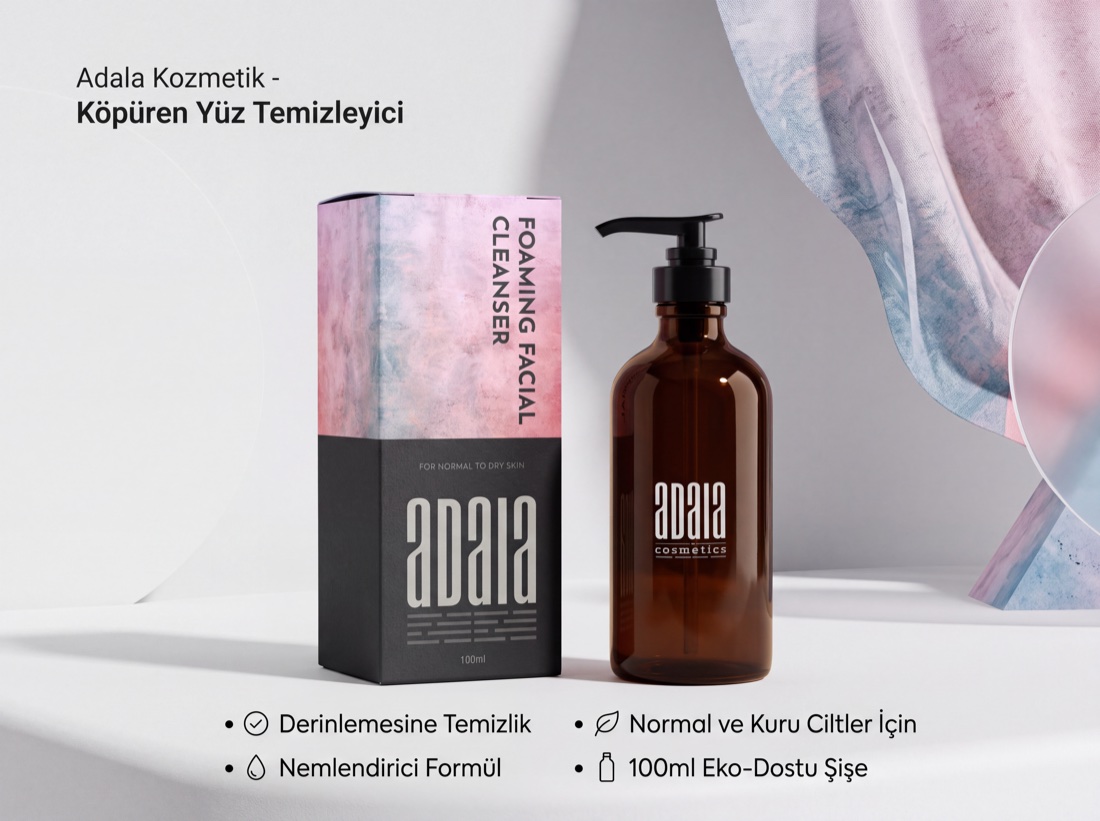 Packaging & e-commerce
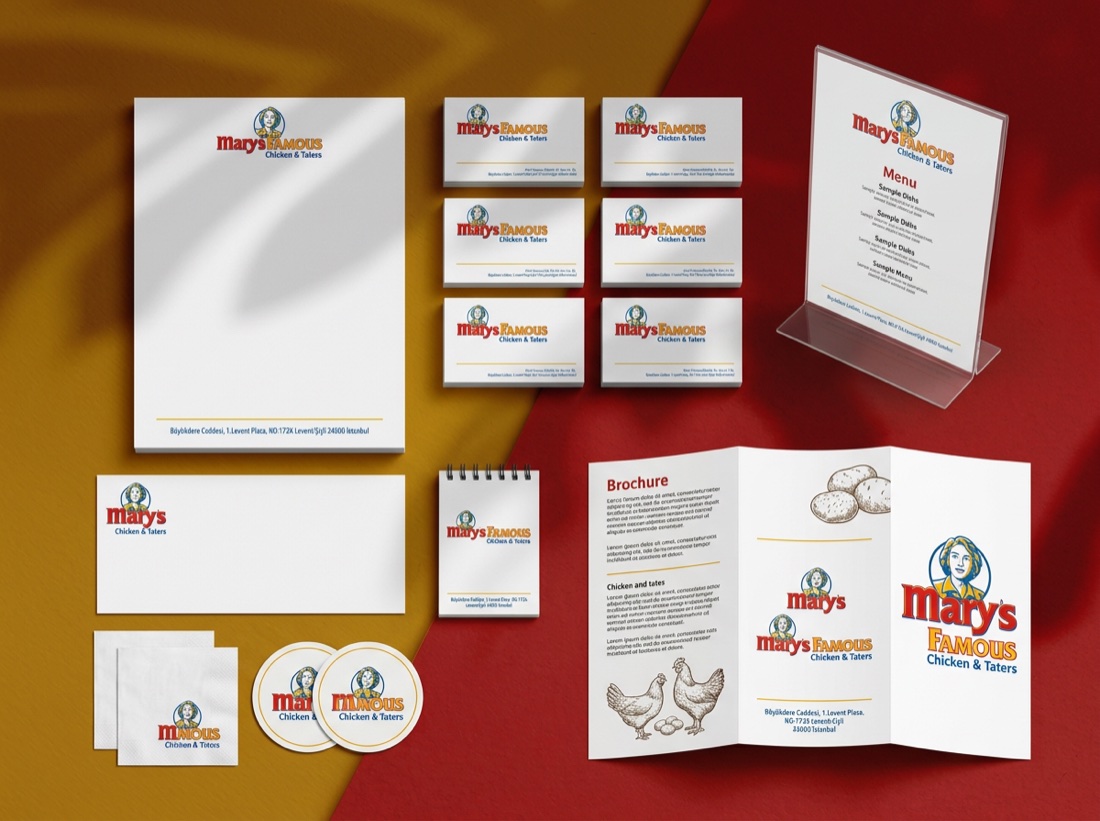 Corporate identity
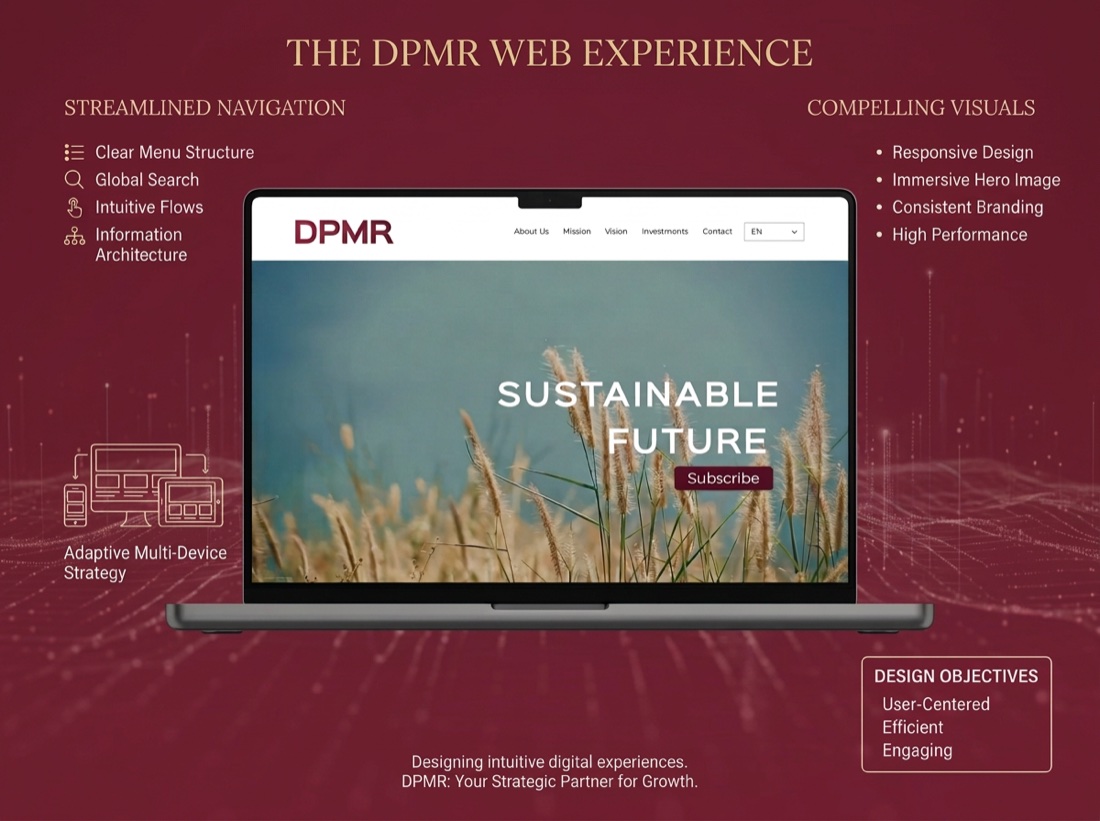 Web interface
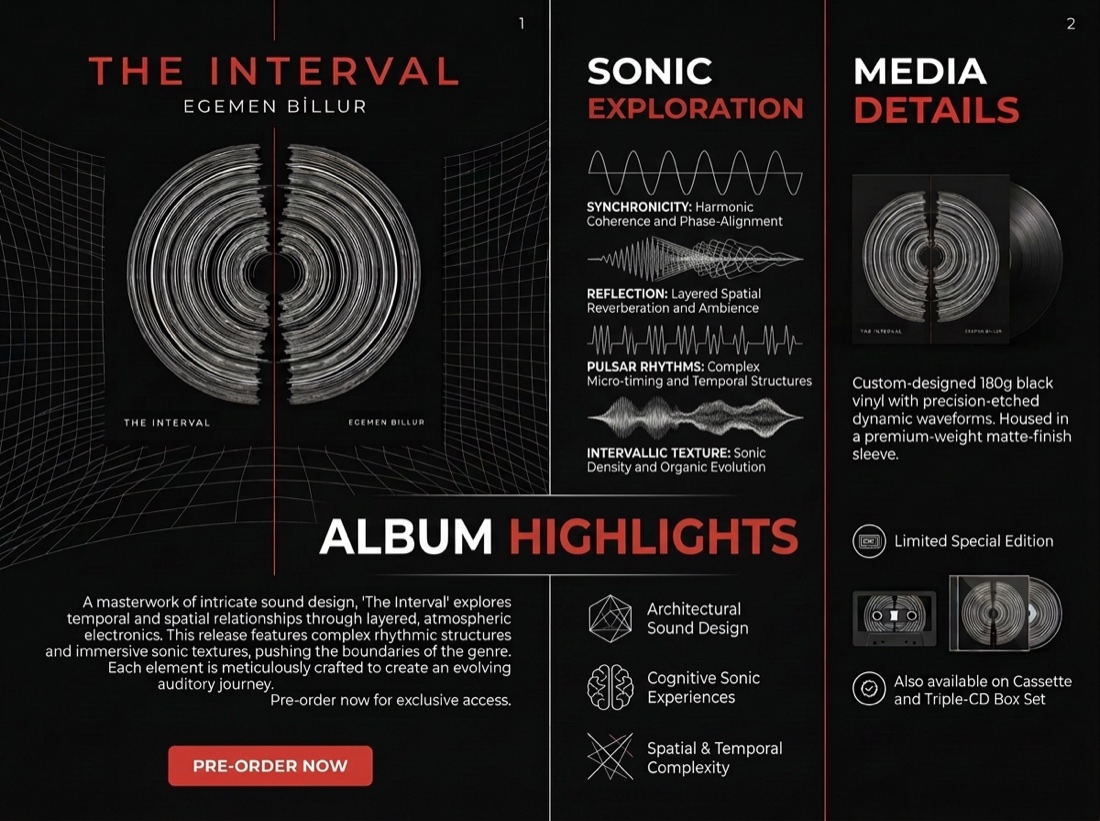 Digital album catalogue
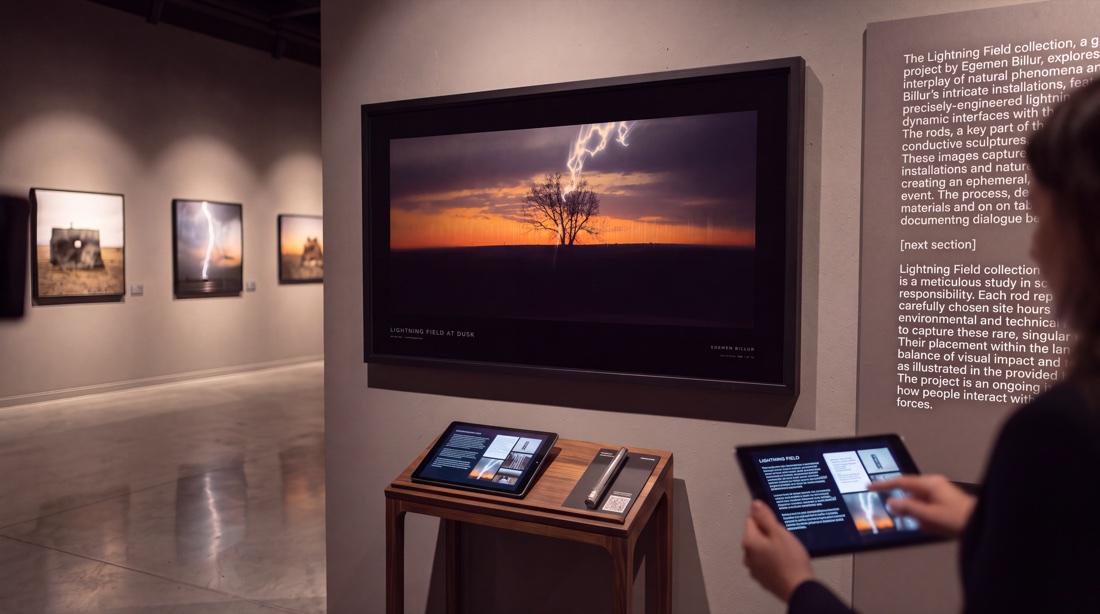 Exhibition design
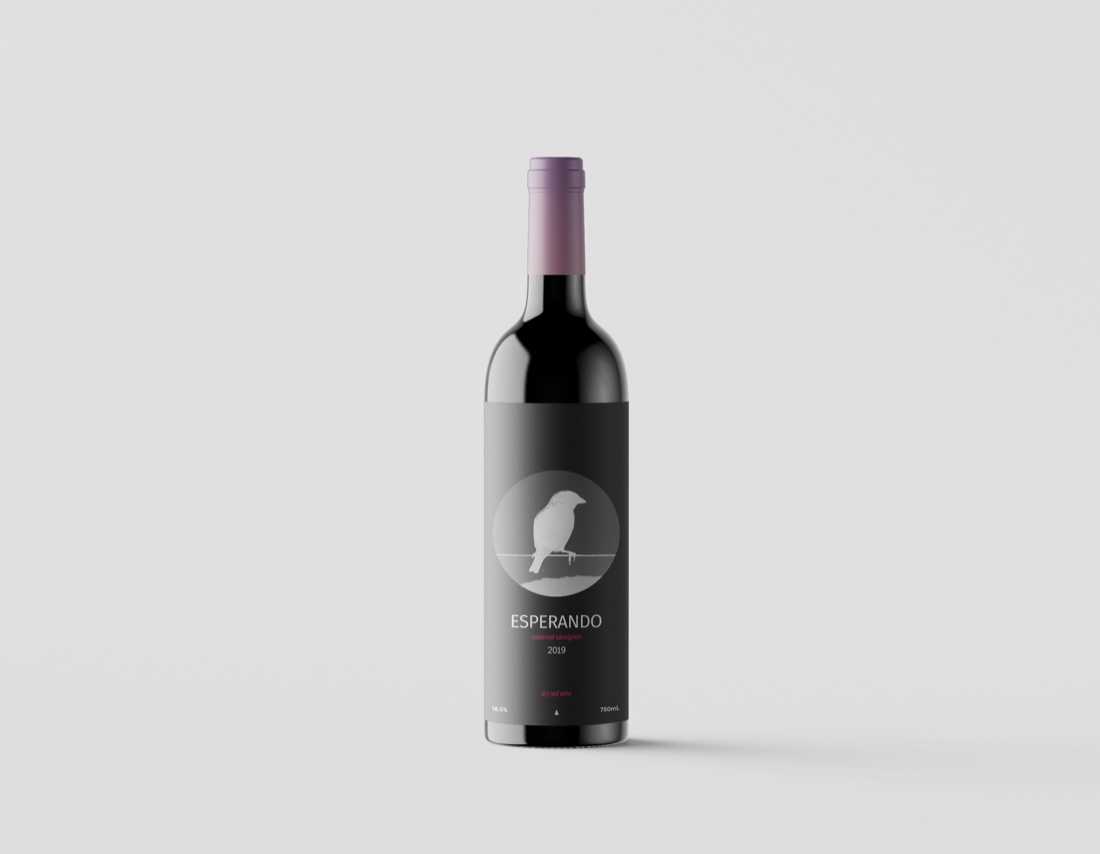 Label design
 Outdoor campaign
Spectrum · the mix over time
Hz
We mix and master music for release and design spatial audio for films, games and exhibitions.
We advise independent artists on digital distribution, release credits and music rights.
We mix from stems and offer both stereo and stem mastering. We prepare the final files for the release format and check loudness and true peak levels before delivery.
Starting with the demo, we develop the structure, instrumentation and sound palette of the track. We shape the arrangement around the artist’s interpretation and prepare the production for release.
We create ambiences, Foley and sound effects for films, trailers and games. Each sound serves a purpose, from establishing the character of a space to giving weight to a movement.
We design the position and movement of sound around the listener for VR, AR and 360° experiences. We deliver binaural, Ambisonic or object-based mixes to suit the playback environment.
We create multichannel sound for exhibitions and site-specific installations. We shape the way sound moves through the space around the loudspeaker layout and the visitor’s path through the work.
We guide independent artists through digital distribution. Before release, we review the metadata, contributor credits and rights information for both the composition and the recording.
News · New release
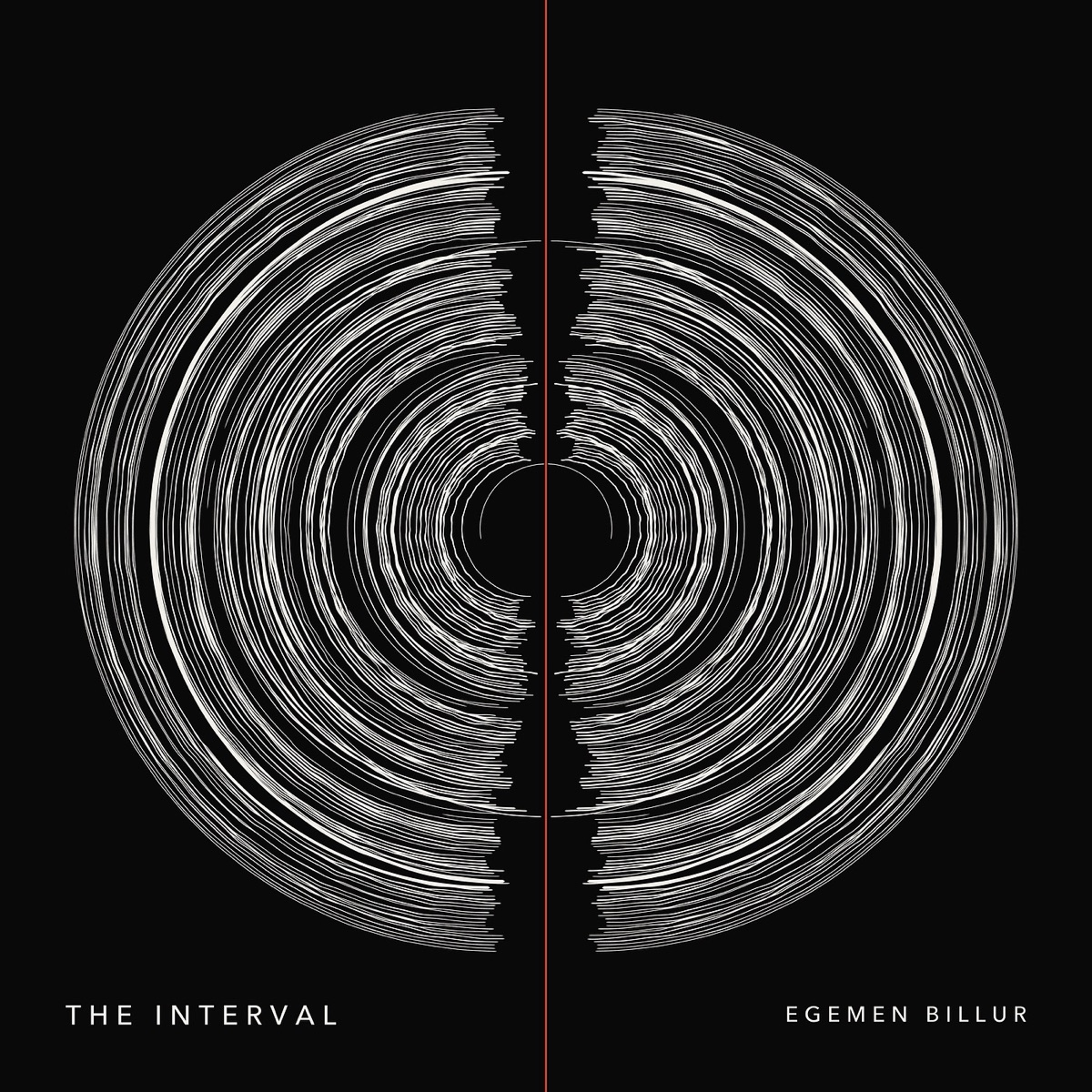
EP · 3 tracks · 2026
The latest album from the IKONIST studio. Its three music videos were built with sound and picture designed together from the start.
Music videos
Sample layout
135 × 210 mm11 / 15 ptMargins 18 / 22 mmBleed 3 mm
We work with authors on structure and prose while preserving each manuscript’s voice.
We design the cover, typeset the pages and prepare the book for print and digital publication.
We work with the author on structure, chapter sequence and narrative flow. At sentence level, we refine the prose while preserving the author’s voice and rhythm.
We design the front cover, spine and back cover as a whole. We check the typography at both scales so the title is easy to read on a bookshelf and in an online bookstore thumbnail.
We choose the typeface, line length and page layout to suit the genre and structure of the manuscript. We typeset the book from chapter headings to footnotes and deliver print-ready files.
We prepare the publication details for the ISBN application. We check that the author, title, publisher and format are recorded consistently in the book and its catalogue entries.
We coordinate file preparation and production with the printer. For the ebook edition, we produce the EPUB and check text flow and chapter navigation.
We review the typeset book page by page before it goes to print. Alongside spelling and punctuation, we check headings, pagination, line breaks and errors introduced during layout.
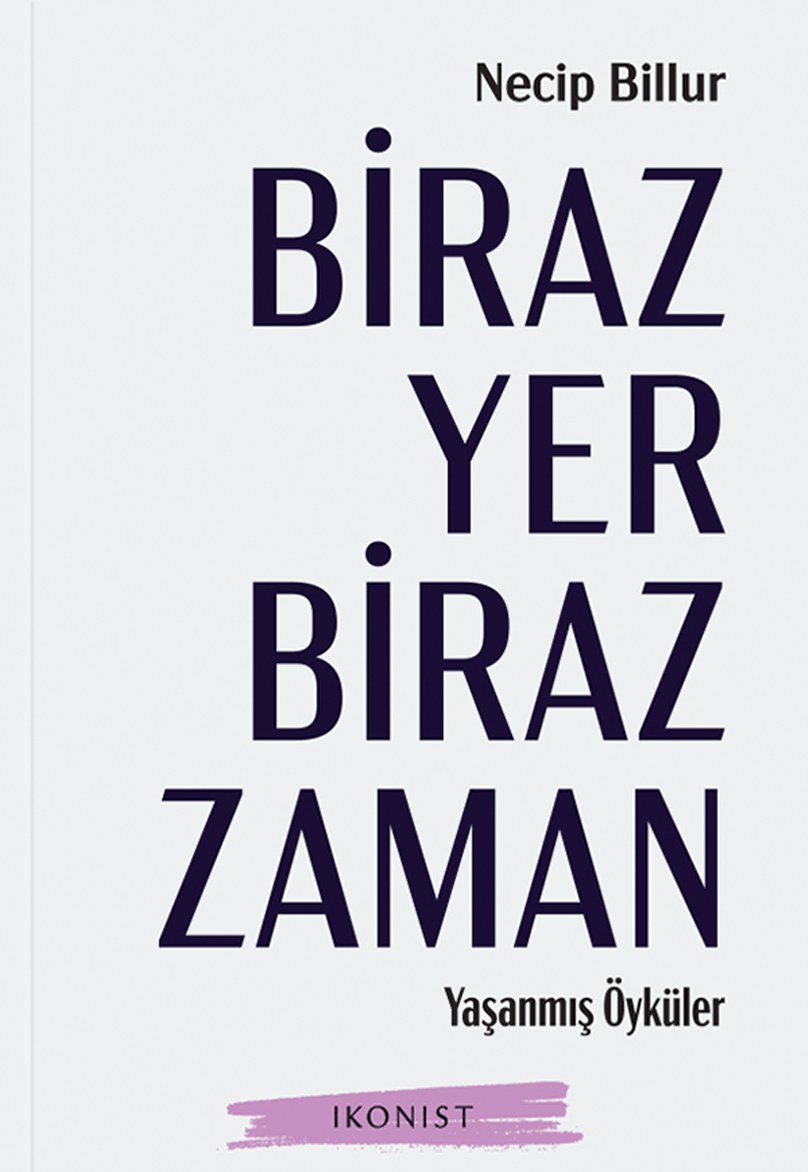
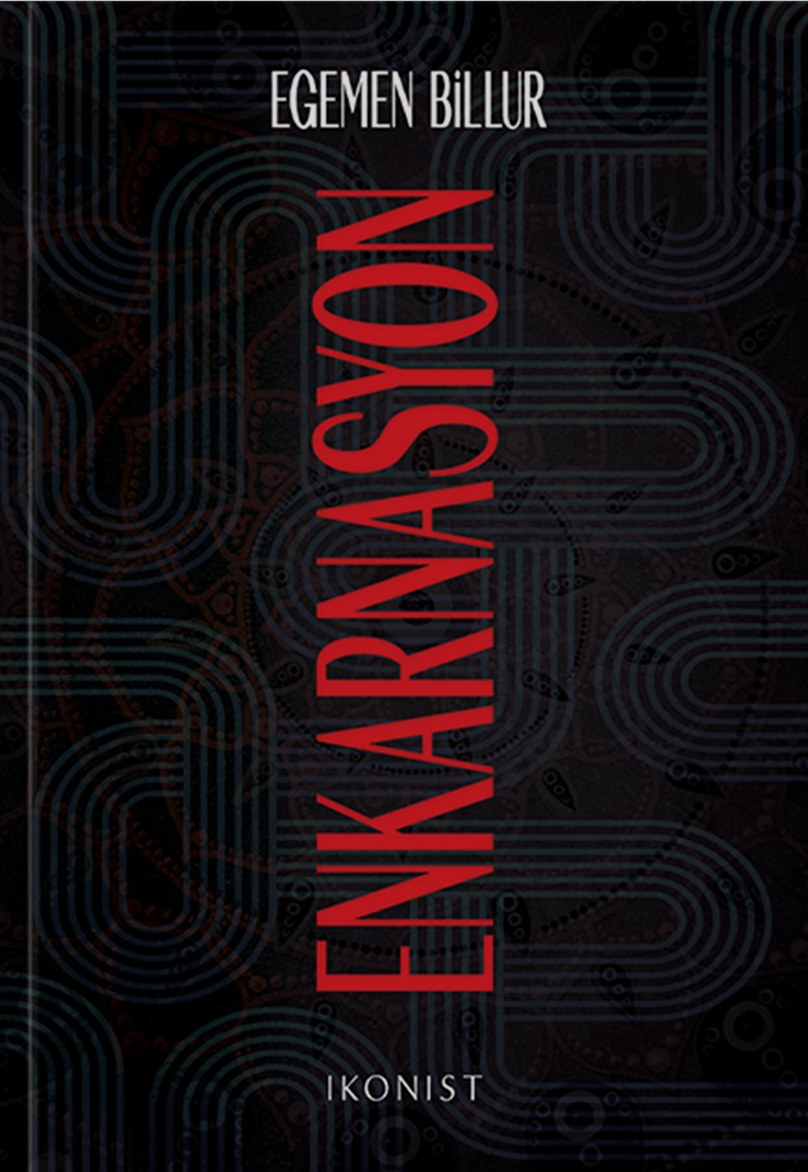
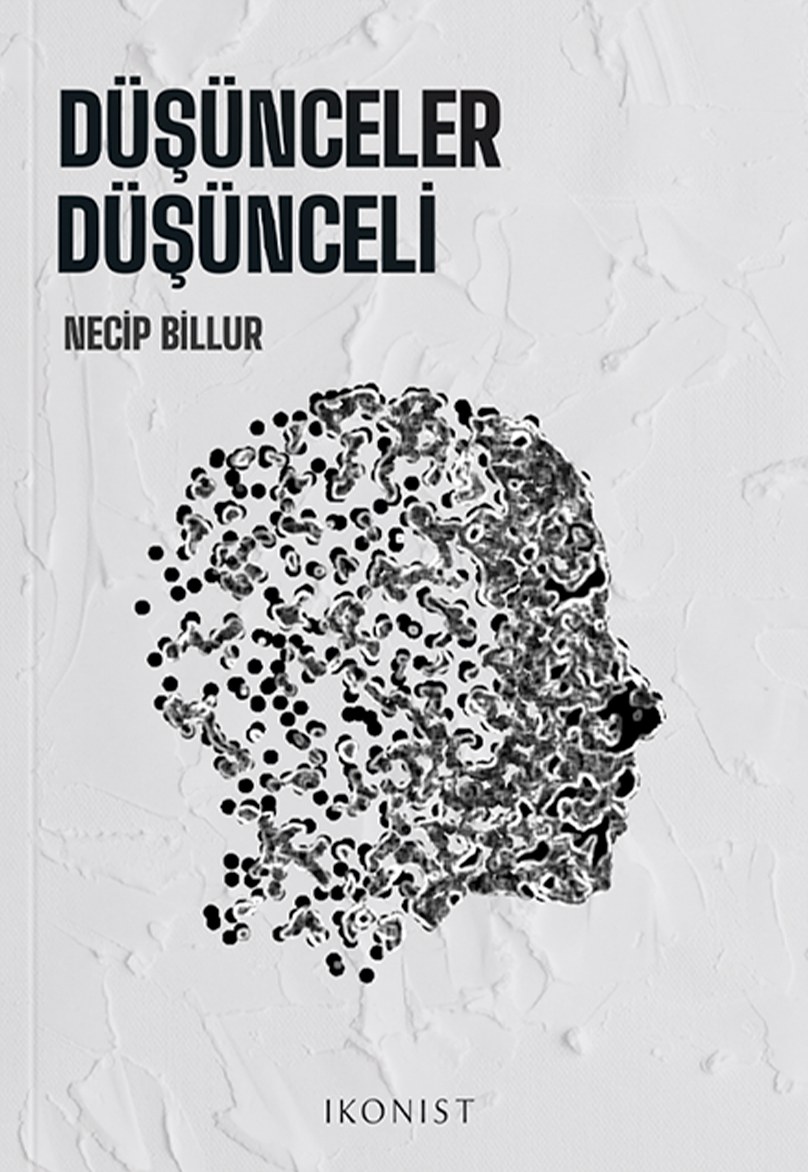
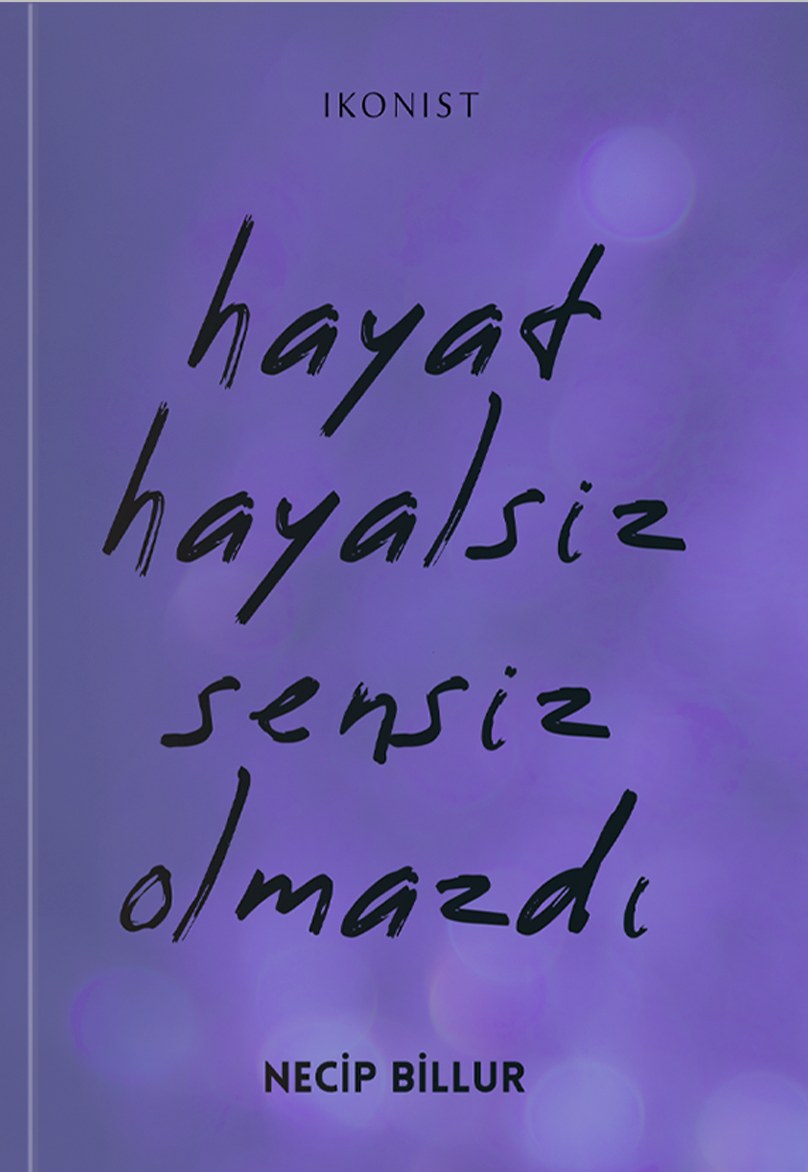
See the books → In Turkish
FIDIC 2017 · Contract administration
From tender to final account
Contracting parties and other project roles
FIDIC forms and bespoke contracts
This guide provides an overview of the 2017 FIDIC forms. The signed contract and its Particular Conditions govern each project. The information is general and does not constitute legal advice.
We advise employers and contractors on contract management for engineering, energy and industrial projects.
We assess tender risks, support negotiations and use project records to prepare claims and dispute files.
We review the tender documents and identify provisions that may affect time, cost or liability. We prepare clarification questions and qualifications for the tender submission.
We identify negotiation priorities in FIDIC-based contracts and prepare proposed amendments with a rationale for each. In bilingual contracts, we review differences in wording that could affect the parties’ obligations.
We review the division of work and allocation of risk among consortium members. For subcontracts, we clarify scope, deliverables and the obligations to be carried through from the main contract.
We track contractual notices, variation requests and project correspondence during delivery. For each action, we link the relevant provision, responsible party and deadline to the project record.
We use project records to establish the event, the contractual basis for the claim and its effect on programme or cost. We prepare the notice and detailed submission in line with the applicable contract provisions.
We organise correspondence, decisions and site records into a chronology. The file identifies the points in dispute and the documents supporting each position.
Our approach to AI projects
Example workflow
How we develop your workflow
Sample release evaluation
Prompt set v1.4Once all acceptance criteria are met, we review the results and release the version with the designated reviewer’s approval.
We design AI workflows around the way your team works.
We select models and tools for each task, test results against agreed criteria and hand over the system with an operating guide and prompt library.
We map how your team works today. The workflow identifies tasks AI can handle, decisions that require human judgement and the points at which someone needs to sign off.
We define the instructions, examples and output format for recurring tasks. Version control allows your team to track which prompt was used for each task.
We compare models and tools on sample tasks from your project. We select them against your requirements for output quality, response time, operating cost and data access.
We agree with your team on what constitutes an acceptable result. Before release, we test each version on representative tasks and assess the results against those criteria.
We design production and approval workflows for imagery, copy and social content. We translate your editorial voice, visual identity and publishing requirements into templates your team can use.
We hand over the workflow with its prompt library and operating guide. Training uses representative tasks to cover day-to-day operation, output review and prompt updates.
In a short written exchange, you outline the project and the support you need. The questions are tailored to your field and the stage your project has reached.
We turn your answers into a concise brief and share it with the relevant specialists. We come to the first meeting with an understanding of your goals and priorities.
We meet online or in person to agree on the scope, deliverables and schedule.
We carry out the work according to the agreed plan, review it at each stage and deliver it in the agreed scope and format.